BE...Connected
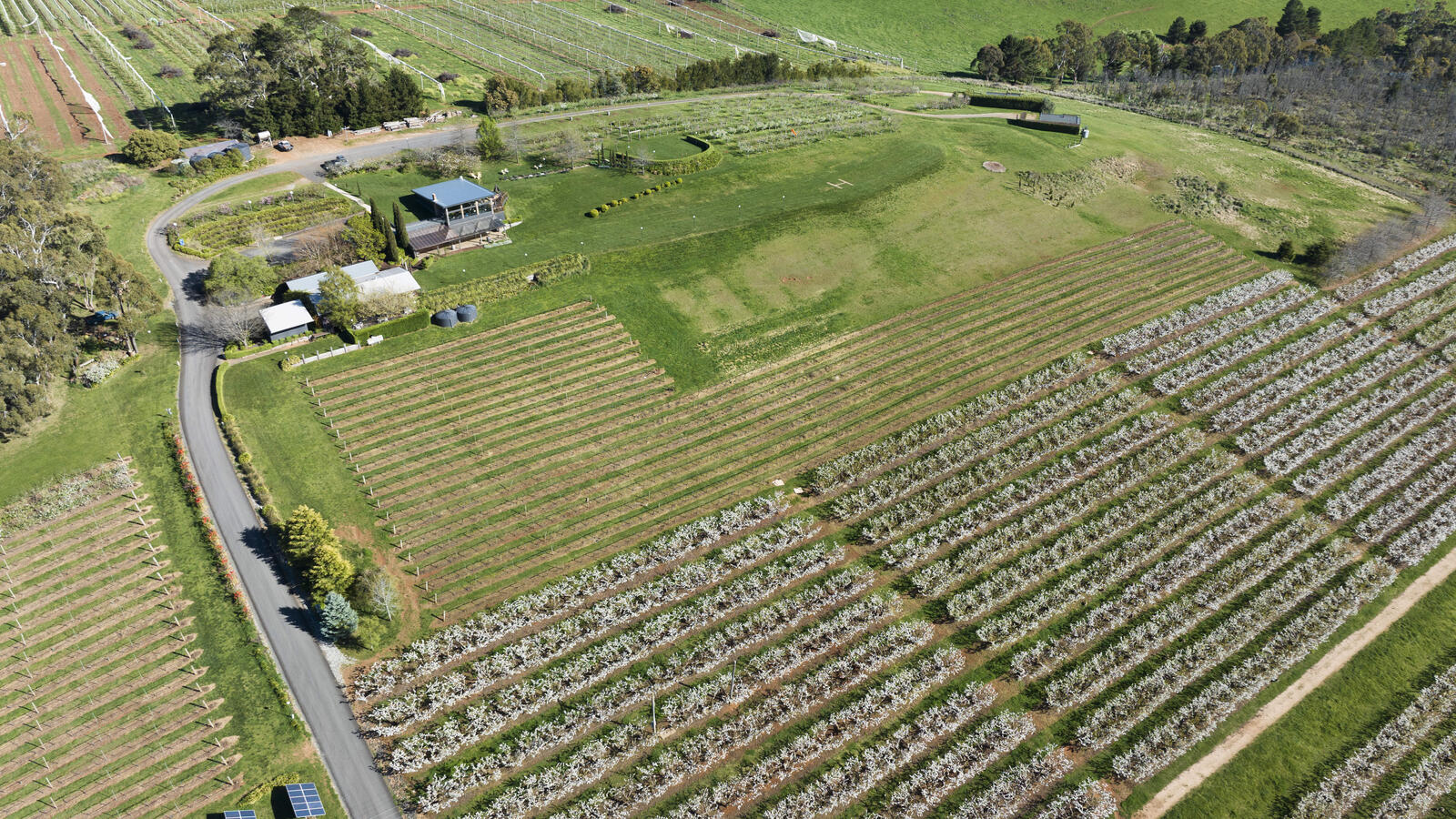
Borrodell Estate sits high on the volcanic slopes outside Orange, where altitude, alpine air and basalt soils shape everything that grows.
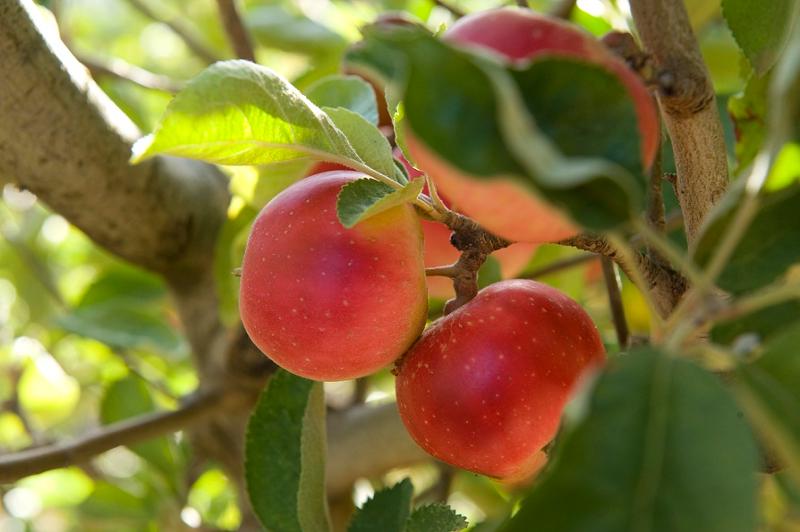
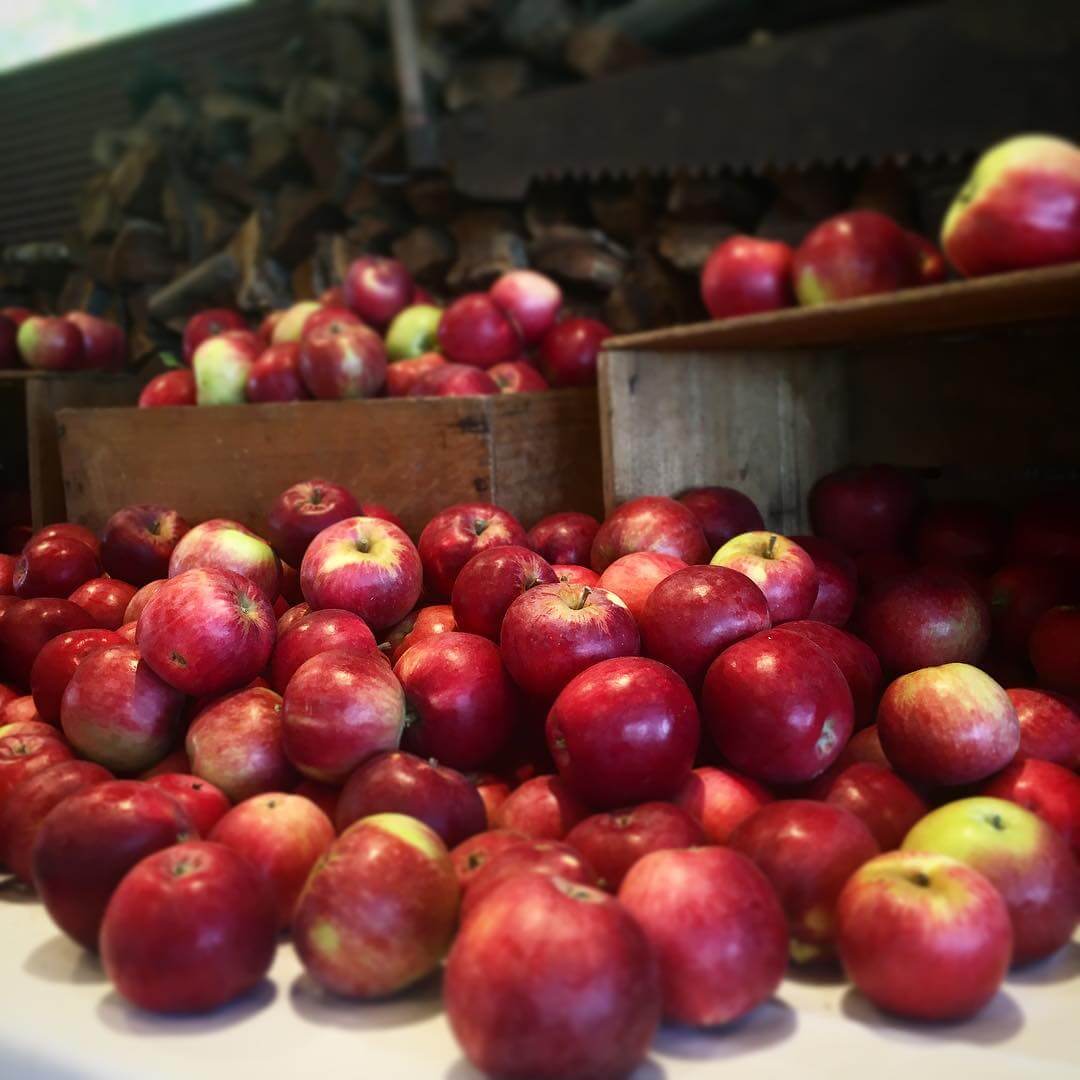
Cool winters, gentle summers and a long growing season allow fruit to develop slowly - building depth, structure and balance. From cool-climate grapes and heritage orchard fruit to Black Périgord truffles beneath the oaks, the land sets the pace. What grows, when it’s ready, and how it’s expressed.
Today, it remains a working farm - vineyards, orchards, truffle groves and kitchen gardens all feeding the table and cellar.